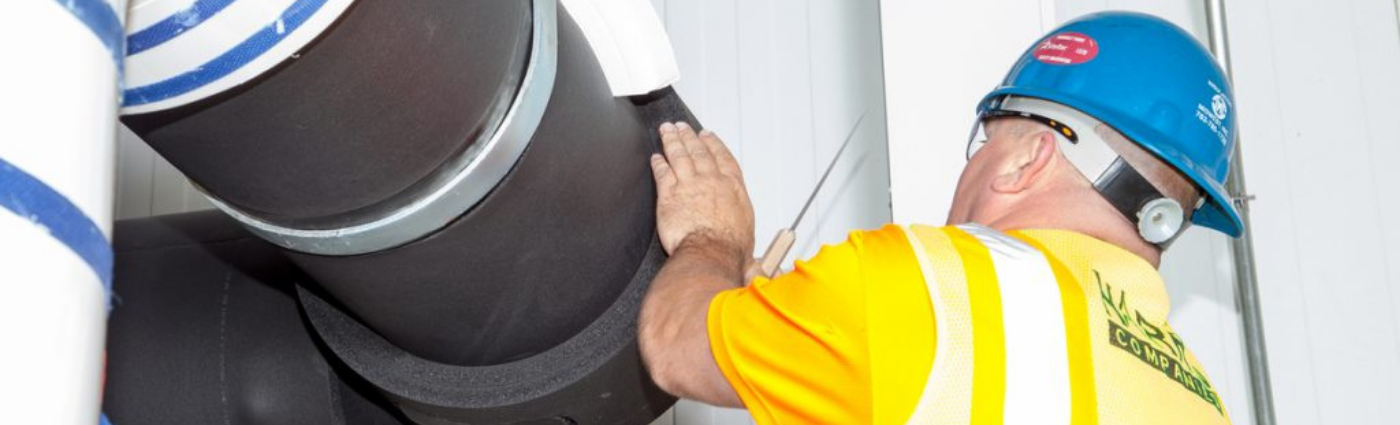
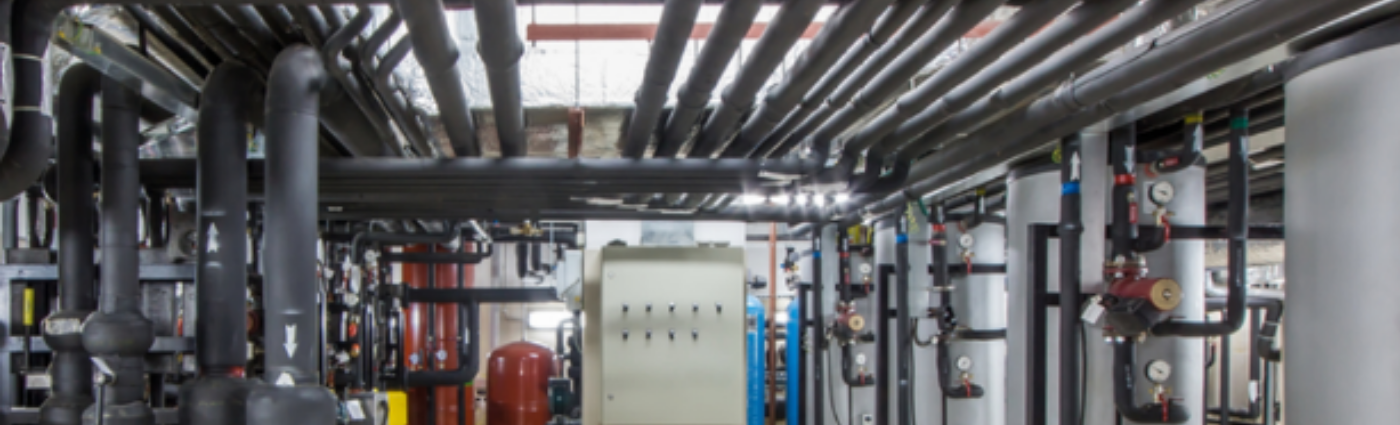
When selecting a mechanical insulation type for your client project, knowing the differences between similar insulations, like EPDM insulation (Ethylene Propylene Diene Monomer), matters. For example, if you are considering…
Closed cell elastomeric insulation can be more costly than other forms of well-known mechanical insulation types such as fiberglass. With this information, it makes sense to ask why anyone should…
Jacketing of AEROFLEX EPDM™ pipe insulation is often specified by mechanical engineers to protect the insulation from mechanical damage, to shield from direct UV exposure, to serve as an additional…
Heat tracing systems, typically composed of electrical tapes & cables, are commonly installed directly on piping systems to increase or maintain the line temperature of pipes and vessels with low…
Aeroflex EPDM flexible closed-cell elastomeric insulation, also known as cellular foam, is inherently UV-resistant. Unlike traditional nitrile butadiene rubber (NBR)/PVC cellular foam rubber products, the application of a supplemental coating…
Adhesives specified for installation of flexible closed-cell elastomeric foam insulation on piping, duct, and other-equipment in HVAC, refrigeration and plumbing systems play an integral role in the success and the…
Closed-cell structured elastomeric foam insulation is widely recognized for its consistent performance managing thermal heat gain/loss and preventing condensation. But did you know that there are actually two different types…
When flexible closed-cell elastomeric thermal pipe insulation is considered for a direct-bury application, Aeroflex USA recommends the best practice of encasing Aeroflex EPDM pipe insulation in a protective conduit such…